

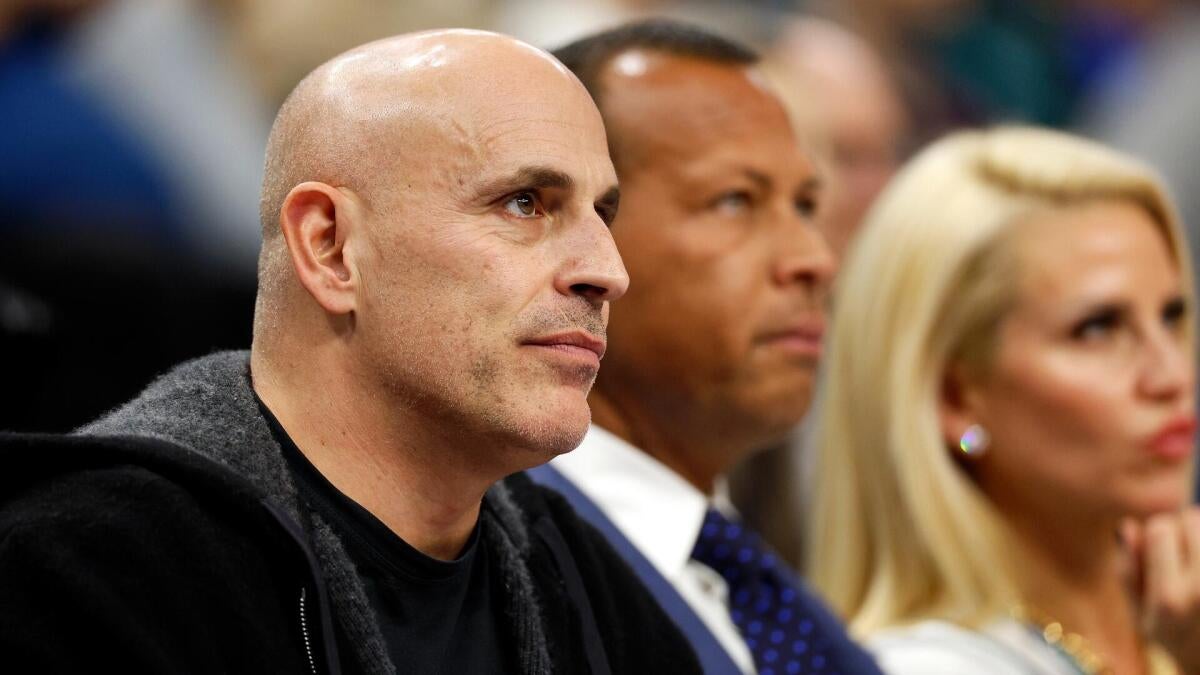
The Minnesota Timberwolves and Minnesota Lynx have been sold for the second time in as many years, as Marc Lore has agreed to sell his majority stake in the franchises to tech investor Marc Stad, per multiple reports. Stad, who was already a limited partner in the franchises, is purchasing Lore’s majority stake at a $4.5 billion valuation.
Lore purchased the Timberwolves along with Alex Rodriguez from Glen Taylor for $1.5 billion in a deal that was first initiated in 2021 but took years to fully execute and included a protracted legal battle that ended last summer with the team officially transitioning to Lore and Rodriguez’s ownership. Now, 14 months after Lore finally became the majority owner, he is selling his stake to focus on taking Wonder, his food delivery company, public.
Rodriguez will reportedly stay on and is investing further by purchasing more shares to increase his stake in the team. Stad, per The Athletic, is committed to keeping the Wolves and Lynx in Minnesota and will continue a push to build a new arena.
The latest Timberwolves sale creates a rather bizarre trend of NBA teams selling — and then selling again. Lore selling just a year into his official tenure as the franchise’s owner (with a $3 billion increase in valuation) comes a week after Mark Walter did the same with the record-setting sale of the Los Angeles Lakers for $12.5 billion.
Walter’s situation was unique, given his ongoing legal troubles as he faces a federal investigation over his finances. Lore selling raises eyebrows for a different reason.
NBA franchises have seen their valuations skyrocket in recent years, particularly with the league’s new $77 billion national TV deal in place, and many longtime owners have opted to cash in on the increases by selling. Ten teams — the Lakers, Celtics, Trail Blazers, Timberwolves, Mavericks, Rockets, Suns, Hornets, Jazz and Nets — have sold in the past decade, with the Lakers and Wolves now selling twice in that span.
Jeanie Buss disputes her family’s sale of Lakers stake: What to know about dramatic off-court fight
Sam Quinn

Sports franchises were once seen as vanity projects for the ultra-wealthy, but now are viewed as key business holdings and owners are treating them as such. That has led to more buying and selling over the last decade-plus, with the valuation of the Timberwolves and Lynx tripling in the five years since Lore first began purchasing the team in 2021. It presented an opportunity to cash out at a significant profit.
The concern for fans, of course, is that teams being treated as investments to be flipped more often can mean a lack of stability — and the ever-present concern for small-market clubs that new ownership groups without ties to the area could push to move the franchise.
Portland is currently in a contentious battle with new owner Tom Dundon over funding for arena renovations. Dundon has not been shy about his willingness to move the franchise if his demands aren’t met. That doesn’t appear to be a concern in Minnesota in the immediate future, but plans to build a new arena can always bring tension over the allocation of public funds.
Perhaps the Lakers and Timberwolves will end up as anomalies, but if more teams start being bought and flipped, it will raise concerns for the NBA about ownership stability and about building the kind of connection and trust needed with fans.